
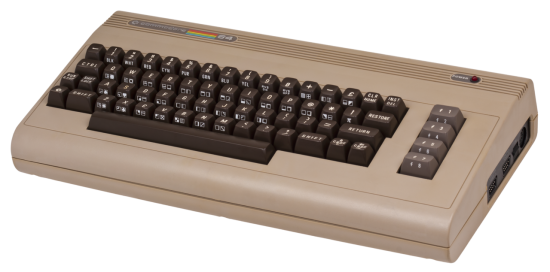
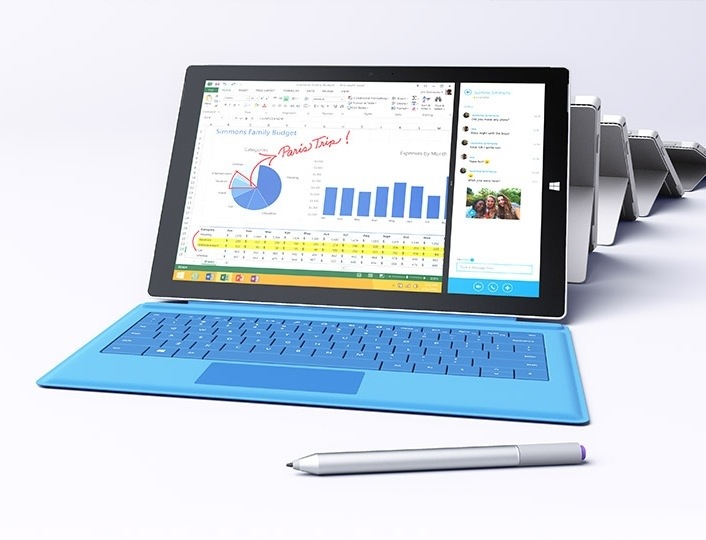
I finally found out what the difference is between Machine Language, Assembly and Assembler – and how it fits in with Interpreters and Compilers. For those of you game enough, let me explain what these cryptic terms mean – and how they span computers from the early C64 to today’s high-end laptops.
Interpreters
Something that has plagued the early computers was their speed of how they executed things in BASIC – or rather the lack thereof. As nice as BASIC is, sifting through an array of variables can compare them with a known value does take some time.
That’s not BASIC’s fault though – it’s rather the way it is executed. You see, BASIC (on the C64 and his comrades) is an interpreted language. This means that while the computer is working, it’s translating the BASIC statements into something it can actually understand – which is of course not BASIC. All a computer really knows is if something’s ON or OFF. Computers are truly binary machines – no matter how old or how new they are. So if you tell them to PRINT “HELLO” then some translation work needs to happen for HELLO to appear on the screen – and that takes time.
That’s what an interpreter does: translate one language into another on the fly – much like people can listen in Spanish, and speak the same thing in English, for the benefit of an audience (usually not for their own pleasure).
The great thing about interpreted languages is that the source code always remains readable. As you can imagine, ultimately the interpreter will throw some ones and zeros at the computer. There’s no way you could make a change to that as it bears no resemblance to your source code.
One alternative to speeding up the programme in question would be to have the something like the interpreter to go to work BEFORE the programme is executed. Ahead of time, and in its own time. Then we could present the translated result to the computer right away, taking away the “on-the-fly” translation and saving some CPU power. I guess it won’t come as a big surprise that this is done frequently too: it’s called compiling, and a Compiler does such a job.

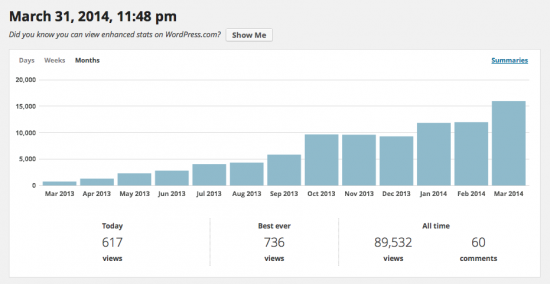
 I find it extremely important to document the things I learn on my coding journey. It has saved my (coding) life many times before. I do such documentations in form of websites which allows me to refer to my notes from any device in the world.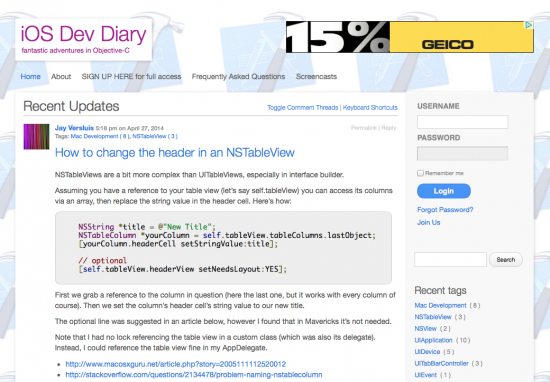



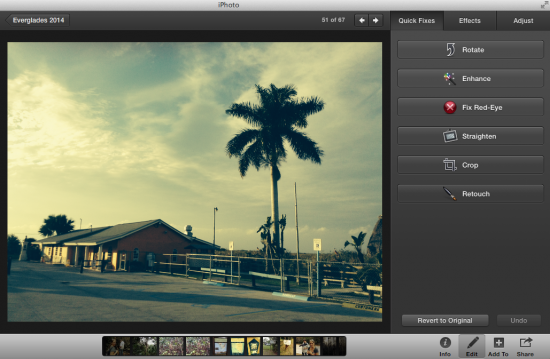
 A few days ago I was sitting together with my Mum in her hotel room and explained how she can upload all her photo treasures past and present to Flickr. A while ago she bought iPhoto for her iPad as a convenient solution that did not require a laptop (which she doesn’t like).
 On Speak Like a Pirate Day 2013, the 18th of September, Apple decided to release their latest and (apparently greatest) operating system for iPhones, iPads and iPod Touch devices: iOS 7.
 A few months ago I bought a new Bluetooth headset to replace my trusty old Voyager Pro+. It was still working but people at the other end were complaining that my voice would cut out regularly even though I could hear them fine.
 I’ve gotten over the culture shock of the ZBRush Interface. It grows on you after a while. Or so I keep telling myself.
 Back in 2013 I was trying out the then-new Photoshop CC for 30 days. I wasn’t sure if the upgrade was for me or if I should stick with my trusty copy of Photoshop CS5 (which by the way I own and can use forever and a day, without a monthly license fee… but that’s another matter).
 You can’t buy any of the Adobe Creative Suite products anymore. From now on you can only “license” any of Adobe’s products for a monthly or annual fee. This includes Photoshop, Premiere, Dreamweaver and all the other CS products we know and love. That’s old news.
 Confusion, headaches, frustration, anger, hopelessness, sadness, depression and resentment. Those words probably best describe my first two days with this new software.
 Don’t panic, this post is not in French, it’s merely an homage to my man Fred Lebain whose collection of Holga images has always inspired me.